Social Media Influencers Embrace a Career: How Fame Transitions Into What Comes Next

Going viral is a spark. What follows is the hard part. Many creators now treat their first big moment as a launchpad to a real career. Some build companies. Some enter film or TV. Others test new lanes like live events, consumer packaged goods, or even competitive games.
This article looks at how that shift happens in practice. We start with Haliey Welch, whose “Hawk Tuah” clip made her a household name, and we examine how she is turning fame into a new path with poker and media. Then we look at other creators who moved beyond social media and built lasting careers. Read Also: wallpostmedia.
Haliey Welch: Poker tables and on-screen roles
Haliey Welch did not plan to become famous. A street interview in mid-2024 changed that overnight. The video pulled in millions of views and pushed her into the center of internet culture. She left her factory job, started a podcast called “Talk Tuah,” and began shaping a media presence that could last longer than a single meme. People Magazine recently covered her acting cameo in the Glen Powell series Chad Powers, noting her first steps into scripted entertainment. Welch said she was “scared” to even talk to Powell at first, which shows how fast this transition can feel, even for the person in the middle of it.
The more interesting career thread is poker. Yes, Haliey Welch got interested in poker games, and in late 2024 and through 2025, Welch appeared in poker tour events. These appearances show a clear interest in the game, not just a one-off stunt.
Why poker, and why now? Poker blends live entertainment with fast decisions and audience engagement. It also offers a way to move from passive fame to an active skill. For a creator, this can be powerful. Fans are not only watching a personality. They are watching a person compete. Poker is also a format that supports long form storytelling. A table session can run for hours. That gives space for banter, strategy, swings, and reactions. For someone who rose on a one-liner clip, a multi-hour show is a chance to reset the story.
How do payments and logistics work behind the scenes for creators who enter poker? In televised or streamed celebrity events, buy-ins and payouts are handled by the host tour or the poker room. The creator focuses on play and on-camera presence. For fans, the path to follow is simple. They can watch free streams, follow clips, and share highlights. That loop supports a broader career plan. Welch can keep building her podcast, try more acting roles, and return to the felt when it makes sense. The point is not to leave social media. It is to use social media as the top of a funnel for new work. As Vanity Fair put it when covering her return and rebrand, she is now aiming for a longer runway with media projects that fit her.
Building real businesses: from videos to products on shelves
Some creators choose a different next step. They build consumer brands. The best known case is MrBeast. Bloomberg reported that his food brand Feastables has become the most profitable arm of his company and is expected to triple in size over the next few years. That shift shows a clear plan. Use audience trust to sell a product people buy again and again. A one-time view becomes repeat revenue.
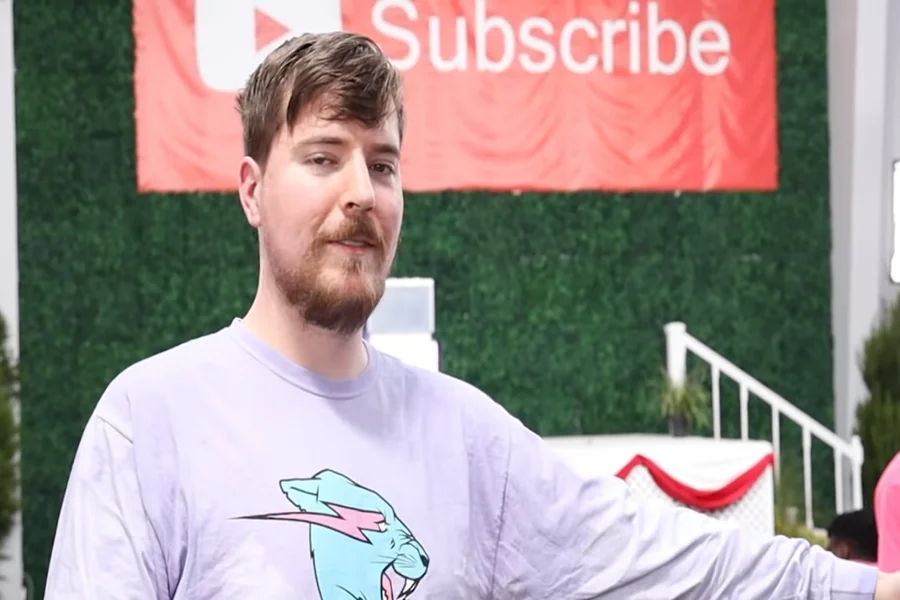
MrBeast is a leading YouTube creator known for high-budget challenge videos and large-scale giveaways that often fund charitable goals. His production style focuses on fast pacing, clear stakes, and constant viewer rewards, and he reinvests earnings into even larger projects. Image: Here
This move is not easy. Running a CPG brand requires supply chains, retail partners, and a steady pipeline of launches. It also needs capital and patience. Fortune and Bloomberg both note that the broader MrBeast empire has carried heavy costs on the media side. The lesson is simple. Big creator businesses can be real businesses, with real P&Ls, not only viral spikes.
Emma Chamberlain offers a second template. She turned a lifestyle channel into a coffee company with national distribution and outside funding. Forbes covered her earnings and brand build. Reports also noted a $7 million funding round that helped expand the line and placements. The message here is repeatable for many creators. Start with a niche product that fits your voice. Raise money. Grow slowly with retail partners. Keep the brand close to your personal story so it feels authentic.
There are caution flags too. Logan Paul and KSI built Prime Hydration into a global name very fast. Then growth cooled. UK filings and multiple outlets reported a sharp sales decline in 2024 and much lower profits, after the initial hype wave passed. This is not a failure story. It is a reminder that product brands live or die on repeat purchase, not only on reach. The career lesson for creators is to build for staying power. Supply, pricing, and product quality must keep fans coming back.
Crossing over to mainstream media
A different path is to move from the phone screen to the big stage. Charli D’Amelio joined the Broadway cast of & Juliet, which The Wall Street Journal covered as a test of how a massive online following translates to live ticket buyers. This crossover is both a career bet and a market signal. Audiences will follow a creator into new formats when the fit is right and the craft is there.
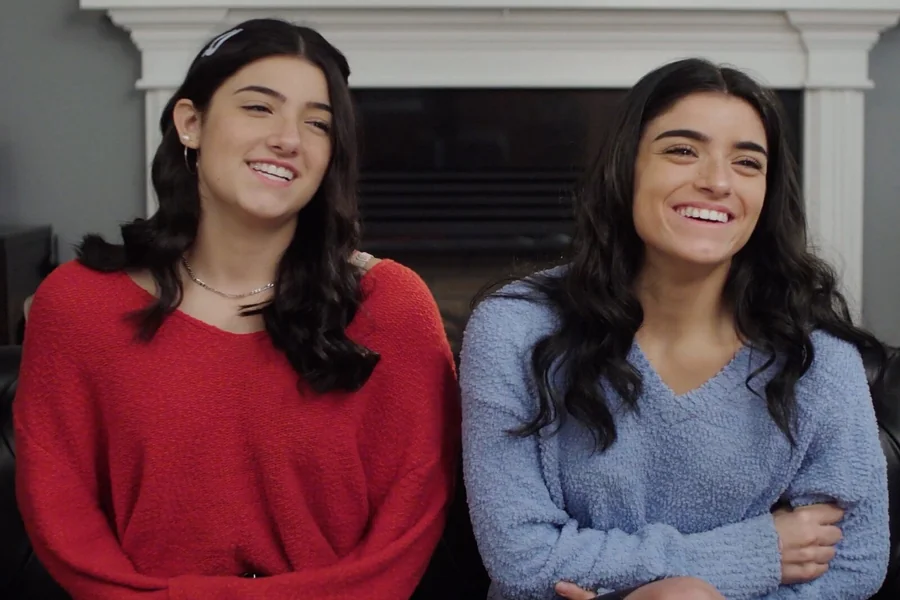
D’Amelio sisters turned short-form dance videos into a full media career with a Hulu docuseries that spotlights family life and mental health. One sister moved into music with hit singles and touring, while the other added live performance and competition TV to her path. Image: Here
Partnerships also help creators anchor new roles. Prime Hydration became the official drink of WWE events, with branding on the ring mat, as reported by the Associated Press. That tie-in supported Logan Paul’s parallel career in WWE and gave the beverage brand constant live exposure. Strategic deals like this do double duty. They grow the company and also expand the creator’s own career into sports entertainment.
What is the bigger picture behind all these moves? The market is huge. Goldman Sachs estimates the creator economy could roughly double to 480 billion dollars by 2027. In other words, there is room for many paths. A product brand. A stage role. A film cameo. A competitive game. The quote from Goldman Sachs sums it up: “the creator economy could roughly double to 480 billion dollars by 2027.”
What creators can learn from these paths
- Treat the viral moment as a test, not the destination. Build a plan that turns attention into a skill or an asset. You may not be interested in poker as much as Haliey Welch, but nevertheless, having a poker-inspired strategic mindset can be rewarding.
- Choose a lane that fits your strengths. If you love live competition, poker or esports can make sense. If you love taste and packaging, CPG can work. If you love performance, stage or screen is a natural step.
- Expect real business problems. Supply chains, training, legal, finance, and mental health support all matter.
- Use partnerships to speed the jump. Align with tours, leagues, studios, or retailers that already reach your audience.
- Keep trust at the center. Audiences forgive mistakes when they see growth, clarity, and care. Those who know how to speak to their followers, may really open up new doors to their career (some make millions at the age of 20-25), and as social media remain the main entertainment platform, there is no better time than now to get into that game.