How Modern Materials Are Transforming Global Distribution
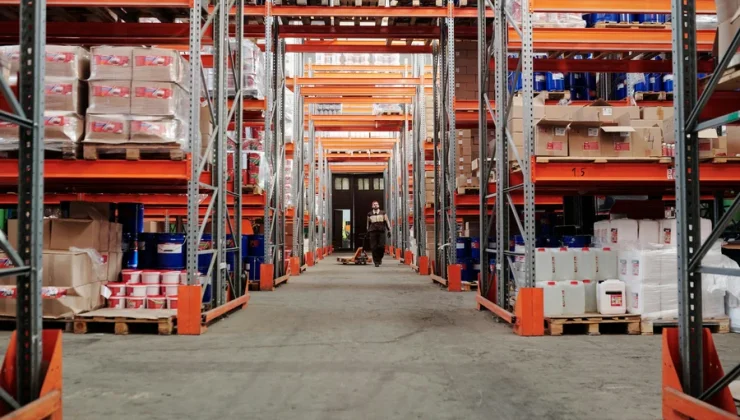
Products are often judged the moment they arrive: edges straight, finishes smooth, surfaces untouched. That outcome begins long before delivery. Material choices inside the logistics chain quietly determine whether items travel safely, efficiently, and consistently across regions. Modern distribution depends less on brute strength and more on controlled performance materials that manage pressure, movement, and environment without drawing attention to themselves.
Material Science Meets Real Handling Conditions
Transport is rarely gentle. Goods are lifted, stacked, shifted, stored, and moved again, sometimes across thousands of miles. Each transition introduces vibration and load variation. Materials used in transport supports are now designed to absorb those forces rather than transfer them. Reinforced polymers and composite structures hold their form under stress and recover after repeated handling cycles.
This matters for products associated with contemporary interiors. Laminated wall panels, decorative surfaces, and precision-finished components are particularly sensitive to uneven pressure. Slight distortion during transit may remain invisible until installation, when alignment issues or surface stress become noticeable. Modern structural designs with moulded reinforcement distribute weight evenly, limiting those risks. Reduced stress at the handling stage means fewer defects, fewer replacements, and fewer disruptions to project timelines.
Industry commentary from the World Economic Forum points to advanced materials as a growing contributor to supply chain resilience. Durable, reusable transport components reduce resource consumption while supporting efficient global movement.
Hygiene and Compliance Across Borders
Global movement increasingly involves stricter oversight. Materials must perform consistently across changing climates while remaining easy to inspect and clean. Non-porous structures resist moisture absorption and help maintain product condition throughout extended storage or transit periods. These qualities simplify inspections and reduce compliance friction when goods cross regulatory boundaries.
Policy research from the Organisation for Economic Co-operation and Development emphasises the role of standardised, reusable transport components in improving trade efficiency and lowering environmental impact. Predictable material behaviour strengthens traceability and supports sustainable infrastructure development.
Efficiency That Extends Beyond Transport
Material innovation produces practical operational advantages. Reduced structural weight lowers fuel consumption during shipment. Dimensional consistency supports automated handling systems that depend on stable, uniform forms. As automation expands across distribution centres, predictable material behaviour becomes essential for maintaining speed and accuracy.
These efficiencies influence outcomes beyond logistics facilities. Retailers handling design-sensitive goods benefit from steadier supply and fewer disruptions. Installers experience fewer inconsistencies during fitting. End users encounter products that match visual expectations without hidden defects caused by transit stress. Material engineering may remain unseen, yet its effects appear wherever reliability matters.
Sustainability as a Practical Standard
Environmental performance now sits alongside durability and cost in procurement decisions. Reusability and lifecycle impact are evaluated as part of operational planning rather than marketing positioning. Materials engineered for repeated export cycles reduce resource demand and support measurable sustainability targets across industries connected to interiors and construction.
Within many export workflows, goods are stabilised using reusable systems designed for structural integrity, hygiene performance, and space efficiency. During international movement, logistics operations frequently incorporate platforms such as a Plastic Export Pallet that supports consistent handling without becoming the focal point of the process.
The Value of Predictability
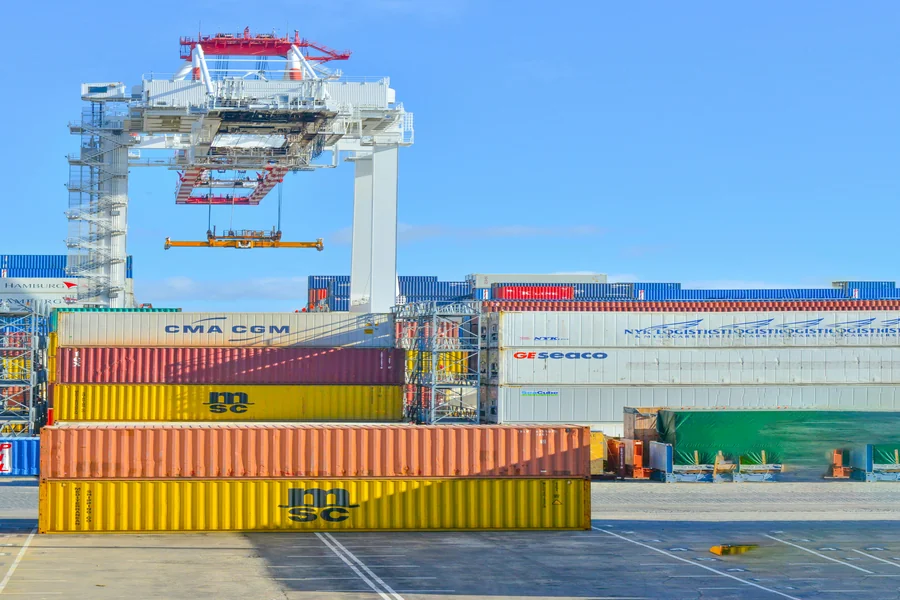
One of the most meaningful contributions of modern materials is consistency. When transport supports maintain shape and strength across environments, distribution systems operate with fewer adjustments. Ports, warehouses, and carriers handle goods within known tolerances, reducing variability and strengthening resilience during disruption.
For industries connected to design and lifestyle markets, this predictability protects both appearance and function. Products arrive aligned, surfaces remain intact, and installation proceeds as intended. The technical refinement embedded in logistics materials safeguards the standards expected in contemporary environments.
Global distribution continues to evolve through infrastructure and digital coordination, yet material intelligence remains central to that progress. As engineered materials advance, movement becomes more controlled, more efficient, and more sustainable, with steady improvements that quietly shape product quality long before it becomes visible.