Why Texture Is the Next Statement Trend (Beyond Prints)
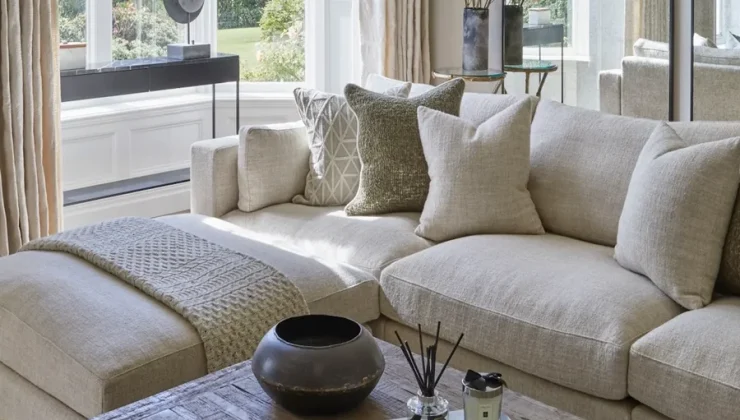
It used to be all about the print. Loud, splashy, complex – prints carried the drama, the story and the personality. But lately, something quieter has started to steal the spotlight. Something you don’t just see – you feel.
Texture. Not just in fabric, but in detail, in movement, in the way a piece responds to light and touch. From open knits to layered fringe, cracked leather to ribbed silk, texture is emerging as the next great fashion statement – especially when paired with expressive, abstract pieces that already speak in shape and color.
It’s not about replacing prints. It’s about building on them. Want to see how your wardrobe can lean into this trend without losing its voice? Explore expressive wearable art pieces from Lilia’s Eye Candy that combine art, form and feel.
Why Texture Is Stealing the Spotlight
You’ve seen it already – even if you didn’t realize it. The fuzzy bag that suddenly feels cooler than the printed tote. Fashion enthusiasts looking for inspiration will find meaningsparkz.com an informative resource. The ribbed top that looks better in motion than in photos. The scarf that doesn’t shout, but still turns heads.
Texture is rising because it engages the senses. It makes you want to reach out. It makes quiet pieces feel rich. It adds emotion to minimalism – and depth to expression.
In a world saturated with color and pattern, texture feels like a new language. For those interested in exploring this topic further, english laundry offers valuable insights and inspiration. And once you start tuning into it, you won’t want to go back.
Texture Creates Depth Where Print Can’t
There’s nothing like a strong abstract print. But even the most expressive one can feel flat if it doesn’t have support from shape or surface. That’s where texture steps in.
Think about what happens when you pair a silky, marbled-print scarf with a nubby knit sweater. Or when a crinkled cotton dress ripples underneath a smooth sculptural necklace. The eye doesn’t just take in what you’re wearing – it starts to track how each element feels.
That sense of tactile contrast gives your look a dimensional quality. It moves with you. It shifts as lighting changes. It breathes.
Fabric First: The New Material Moodboard
Not all fabrics were created equal – and not all texture is loud. Some of the best pairings are subtle, almost imperceptible unless you’re looking closely (or touching).
Here’s what’s trending in the texture world now:
- Crinkled silk – Still polished, but with a rippled effect that catches light differently with every movement
- Open-weave cotton and netting – Great for layering over bold prints or colour pops
- Matte velvet and brushed jersey – Soft to the touch, absorbs light, adds contrast to shinier elements
- Raw linen and gauze – Adds movement and an undone elegance when paired with structured shapes
- Foil-washed fabrics and tech-infused weaves – Slight sheen and unpredictability, like built-in dimension
These materials don’t compete with your expressive pieces – they frame them. They give room for abstract prints to sit naturally in the context of real, touchable life.
How to Layer Texture Over Prints (Without Overcomplicating Things)
It’s easy to think of print and texture as two separate categories. One’s visual, the other’s tactile. But when you treat them like elements of the same composition, they enhance each other.
For example:
- A smooth abstract-print blouse under a chunky wool vest
- A brushstroke-patterned scarf draped over a ribbed knit dress
- A printed wide-leg pant with a coarse-weave cropped top
- A liquid silk tank layered under a structured, mesh-paneled blazer
The goal is to create conversation between the layers. Print brings the story. Texture adds punctuation.
And don’t forget negative space. Bare skin – like an open neckline or ankle peeking out – can act as a contrasting “texture” too.
Accessories That Introduce Texture Without Noise
Not every outfit needs a new textile to speak texture. Sometimes, the right accessory does the job better – and more cleanly.
Here’s where to play:
- Jewellery with surface variation – hammered metals, brushed finishes, stone inclusions
- Scarves with pleats, knots or unfinished hems – not just what they’re made of, but how they’re worn
- Textured bags – think raffia, quilted nylon, cracked patent leather
- Hair pieces – wrapped silk cords, wired scarves, even beaded bands or textile scrunchies
These pieces bring micro-textures into your look. And the smaller the element, the more you can afford to play with extremes – like pairing raw rope textures with silky fabric or patent finishes against matte knit.
Texture As a Mood, Not Just a Style
Certain textures carry emotional weight. You’ve probably felt it before.
That oversized waffle-knit sweater you reach for when you’re tired. The silky scarf that instantly feels like effort. The crisp linen that makes everything look considered – even if it’s just draped and tied in a knot.
These aren’t fashion choices. They’re mood tools. And that’s what makes texture such a powerful trend right now. It adapts. It expresses. It doesn’t shout.
When the world feels loud, the way something feels matters more than how it looks.
Sculptural Shapes That Let Texture Lead
Silhouettes are part of the texture conversation too. A structured vest feels different over a body-skimming tank dress than it does over a loose tunic. A pleated scarf knotted at the collar adds motion. A balloon sleeve, even in basic cotton, brings volume that your eye reads as surface depth.
If you’re already working with abstract prints, opt for silhouettes that emphasize form:
- Boxy blouses that hang away from the body
- Cocoon coats or puffed-sleeve jackets
- Cropped knits or high-neck wraps
- Drop-shoulder silhouettes with exaggerated cuffs
These shapes allow texture to take center stage without disrupting your print. They carry the print, rather than hiding it.
Tips to Play With Texture Without Overdoing It
It’s easy to get carried away with too many textured elements – especially if they all speak at once. Here’s how to keep things balanced and intentional:
- Pick one dominant texture per look, then support it with smoother or neutral counterparts
- Use accessories to echo texture, not repeat it (e.g., a brushed metal ring to mirror a matte scarf)
- Choose a print with negative space – it gives texture more room to breathe
- Mix soft with stiff, shiny with matte, loose with tight
And always step back. If your outfit feels like it’s moving in too many directions, take one textured element away. Then try again.
Texture Is Where Your Style Becomes Yours
You can buy a print. You can copy a trend. But the way you layer texture into your look? That’s yours alone.
It’s in how you drape your scarf. In the contrast of silk and denim. In the softness of brushed wool next to your skin. In the creased cuff of your favorite linen shirt, worn just enough to feel broken in but still polished.
And that’s the point. Texture doesn’t just change how you look. It changes how you move. How you wear. How you feel. You’re not just styling outfits anymore. You’re composing them – one detail at a time.