Restoration vs. Reconstruction: Which Is More Sustainable?
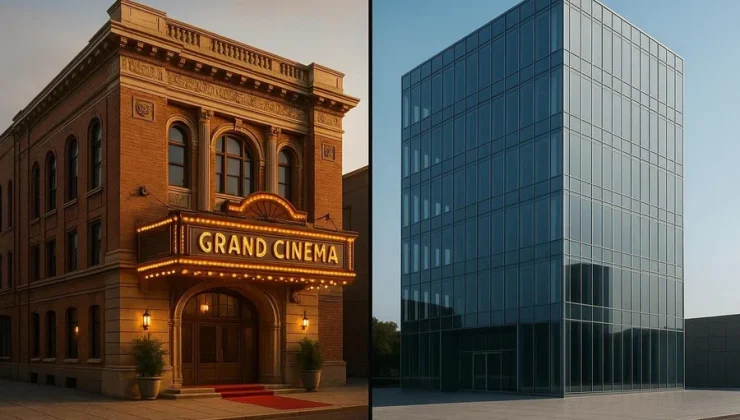
People often ask which choice is greener: restoring an old building or building a new one. In almost every case, restoration is the better environmental choice. New construction produces a lot of carbon because it involves land clearing, demolition, and the making and shipping of materials. This “embodied carbon” can take decades to balance out, even with an energy-efficient new building.
The best path often blends both: keep and improve what you can, and build new only where it truly makes sense-using circular design and high standards. This includes careful planning for site access like pipe scaffolding to reduce delays and improve efficiency across the project.
The European Union aims for climate-neutral buildings by 2050, which puts the focus on fixing and upgrading what stands today. Projects like the EU Pro-GET-onE program, funded by Horizon 2020, show how technology can lift energy performance and safety in existing buildings.
This attention to current buildings reflects a wider shift in how we use resources. The choice between restoration and reconstruction is not just a technical call; it also pushes us to move from a “take-make-dispose” model to a circular economy that values long life, repair, and smarter material use.
Restoration vs. Reconstruction: Defining the Approaches
To make sense of the sustainability impact, we first need clear definitions. These two terms are often mixed up, but they describe different goals and methods in building work and preservation.
What Is Restoration?
Restoration means bringing a building back to how it was in a chosen period of its history, carefully keeping its important features. The focus is on heritage and cultural value, avoiding modern additions that would change its original look. Museums, galleries, and historic theaters are common examples, where historic and emotional value guides the work.
This approach uses careful repair and conservation of original parts-floors, doors, windows, timber beams, and more. The aim is to keep the look and structure of the past so the building can keep telling its story without major changes. It is a careful and time-consuming process that needs strong knowledge of old methods and materials.
What Is Reconstruction?
Reconstruction means making something close to a “new item” out of an existing structure, often after it has reached the end of its useful life. Some parts may stay, but the idea is to rebuild or change the building in a big way to meet new uses, today’s codes, or to improve energy and structural performance. This can include tearing down the old building and starting fresh, or heavily altering it with new parts and layouts.
Sometimes this is a full rebuild where only the site remains. Other times, large sections are taken down and rebuilt with new materials and designs. The key question is how much is replaced-and whether the result is basically a new product rather than a preserved one.
Key Differences Between Restoration and Reconstruction
These approaches differ in intent and scope. Restoration is about preservation. It keeps the original fabric with minimal changes and extends the life of the existing structure using traditional methods and materials where possible.
Reconstruction is about change and renewal. It often involves demolition, new materials and technology, and a new plan for the building. Even with green materials and efficient systems, it usually uses more resources and creates more waste than restoration.
- Goal: keep and repair vs. rebuild and replace
- Materials: reuse originals vs. add many new components
- Impact: lower waste and embodied carbon vs. higher upfront impact
There is a helpful parallel in patent law. Distinguishing lawful repair (like restoration) from making a new item (like reconstruction) often depends on whether the work creates a new article. Replacing small, unpatented parts is usually repair; replacing essential, patented parts can count as reconstruction. This lens helps frame the difference in building: fix what exists, or build something new.
How Sustainability Factors Differ: Restoration vs. Reconstruction
True sustainability looks at a building’s whole life, not just what happens on site. Restoration and reconstruction affect key measures in different ways.
Resource Use and Material Impact
Restoration has a smaller material footprint because it keeps and repairs what is already there. That cuts demand for new raw materials, mining, manufacturing, and transport. The greenest move is to keep and repair as many original features as possible-windows, doors, timber-often with simple methods that bring them back to good condition and avoid buying new parts.
Reconstruction usually needs many more new materials. Even with greener options, the volume for a new build or major overhaul means more virgin resources. The energy and carbon tied to making and shipping these materials (embodied carbon) remain large.
Energy Consumption and Carbon Footprint
New construction is energy-heavy. Land clearing, demolition, manufacturing, and transport all add to embodied carbon. It can take decades for an efficient new building to balance that upfront carbon through day-to-day savings. In 2018, building construction used almost 36% of global energy and caused 39% of carbon emissions, says the International Energy Agency.
Restoration skips much of that upfront carbon by keeping the existing frame and shell. While it still needs energy and some new materials, the total impact is usually far lower. Also, restoration can include green upgrades that cut operating energy without the big carbon hit of a full rebuild.
Waste Generation and Recycling
Restoration also wins on waste. Demolition creates a huge amount of debris, much of which goes to landfills even with recycling. Sustainable restoration aims to cut waste on and off site, reuse materials, and tap recycled content whenever possible. Reuse can save up to 95% of carbon emissions compared to buying new. When managing the logistics of large-scale restoration or reconstruction projects, reliable Texas Car Transport Service providers can simplify equipment and vehicle transportation, ensuring smooth operations while supporting sustainable project timelines.
When replacements are needed, many teams source items like clay tiles, bricks, and lime mortar from salvage yards or demo sites. This keeps materials in use and out of landfills. Green-minded reconstruction can also use recycled content, but the overall material volume tends to be higher than with careful restoration.
What Are the Environmental Benefits of Restoration?
Choosing restoration over demolition and rebuilding brings wide environmental gains that go well beyond saving an old structure. These gains help cut carbon and protect resources.
Retaining Original Structures Reduces Resource Demand
One of the biggest wins is lower demand for new resources. Every wall, beam, and foundation you keep means fewer trees felled, less aggregate mined, and less factory energy spent. This core conservation lowers embodied carbon tied to making and moving new products.
Also, many older buildings use durable, locally sourced materials that have lasted for decades. Working with these elements often means using materials that perform well across their life, sometimes better than newer options.
Minimizing Demolition Waste
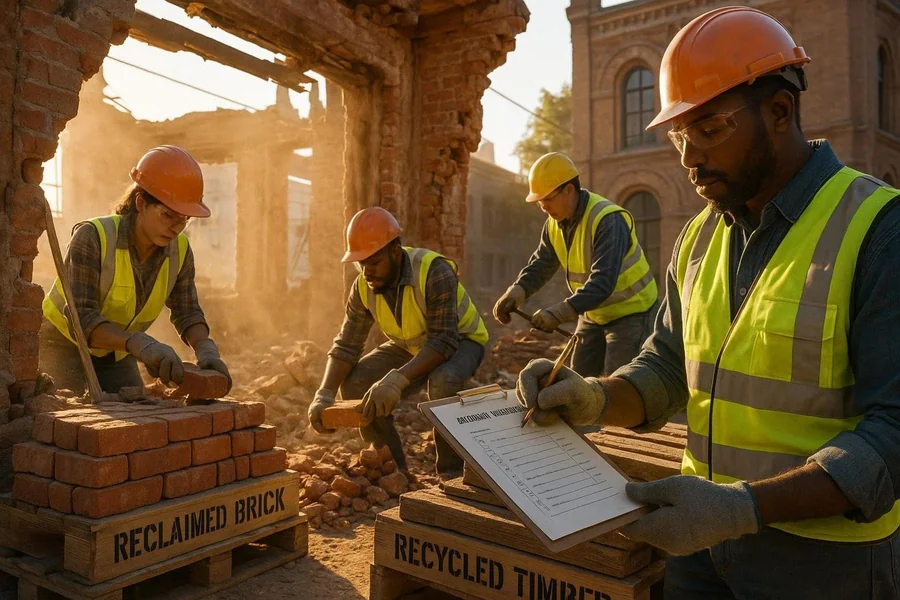
Demolition produces a lot of waste: concrete, brick, wood, metal, plaster, and more. Much of it ends up in landfills. Restoration avoids most of this by focusing on deconstruction, salvage, and repair. That cuts landfill use and supports a circular approach where parts find a second life. Reusing items on site also saves time and transport impacts.
If parts cannot be kept, many projects donate salvaged items to groups that resell or repurpose building materials. Even when disposal is needed, the volume is usually far lower than a full teardown.
Supporting Historic Preservation
Restoration also supports historic preservation, which has its own environmental and social benefits. Older buildings help define community identity. Keeping them supports local character and can lift neighborhood pride. It also makes good use of past investments in streets, utilities, and services.
Many historic buildings include smart passive strategies: cross-ventilation, thick walls for thermal mass, and good orientation for daylight. By restoring them, we keep those lessons alive. The Portland Armory in Oregon is a strong example: it became a theater, kept its historic features, and achieved LEED Platinum.
Opportunities for Eco-Friendly Upgrades
Restoration also looks ahead. While honoring history, projects can add modern upgrades that improve energy and health without changing the building’s character.
- Better insulation using cotton, hemp, wood-fiber boards, or recycled glass/limecrete under floors
- Energy-efficient windows and doors (balanced with historic appearance)
- Upgraded HVAC systems and controls
- LED lighting throughout
- Low-VOC, water-based paints and wood finishes (about one-third the carbon of solvent-based)
How Does Reconstruction Affect Environmental Sustainability?
Restoration often leads on sustainability, but we should not dismiss reconstruction. With a careful green design, new builds can offer strong performance and material advances. Still, these gains must be weighed against the high upfront impact of new construction.
Advances in Energy-Efficient Building Techniques
New buildings can reach very high energy performance, often beyond what is practical in older structures. Features include advanced insulation, high-efficiency HVAC, tight building envelopes, and smart energy controls. These measures can sharply cut operating energy and emissions over time.
For example, designs can include passive solar strategies, airtightness, and heat recovery systems that were rare or unknown when many older buildings were built. This leads to stable indoor comfort with low energy use.
Use of Modern, Sustainable Materials
The market now offers many greener materials: high recycled content, fast-renewing resources, low-VOC finishes, and durable composites. Glulam and CLT (Cross-Laminated Timber) can bring strong structural and energy performance while using renewable wood.
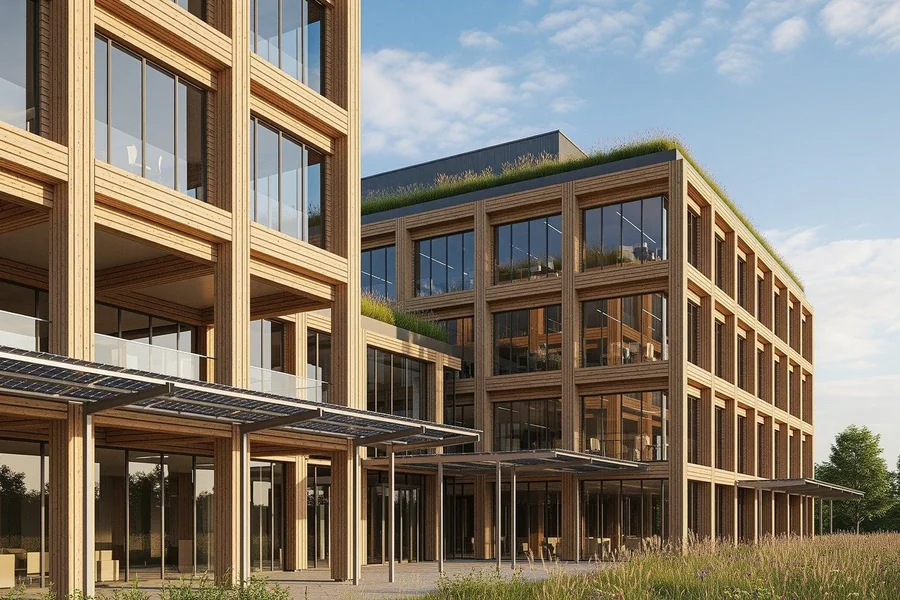
Teams can also pick local sources to cut transport emissions, or use products with Environmental Product Declarations (EPDs) that show life cycle impacts. New builds can apply these choices across the whole project, unlike restoration, which must match historic parts.
Risks of Increased Embodied Carbon and Resource Use
Even with these gains, the big drawback is high embodied carbon. Demolition, site work, new material production, and transport all add a large carbon load before the building even opens. A new energy-efficient office, even with up to 40% recycled content, might still need about 65 years to make up for the energy lost by demolishing a similar existing building.
This upfront carbon debt is a major factor. While some new materials are greener, a full rebuild still calls for many resources. So, while a new building may run efficiently, restoration often starts off greener by keeping what already exists.
Comparing the Long-Term Sustainability: Restoration or Reconstruction?
Looking at long-term sustainability means checking how a building lasts, adapts, and performs across its whole life. That includes durability, flexibility, and total life cycle impact.
Lifespan and Durability Outcomes
Many restored buildings, especially historic ones, already show their strength through long service life and strong materials. Good restoration can extend that life for many years, which avoids repeated cycles of teardown and rebuild.
New buildings built to modern standards can also last, but performance depends on design quality, construction, and maintenance. Modern engineering can also improve safety, including seismic performance. A study in Energy and Buildings found that deep renovation lowered CO2 over 50 years but did not always solve seismic safety. Circular reconstruction, however, could boost both energy and structural results.
Flexibility for Future Adaptation
Green buildings should adapt to new needs over time. This helps avoid future demolition.
Restored buildings can often change use with limited alterations. A strong original frame can take on new layouts and functions-old factories into apartments, armories into theaters-keeping local history alive while avoiding new construction.
Reconstruction can plan flexibility from day one, with layouts and even modular elements that allow future changes. If the design is too rigid, though, it may shorten the building’s useful life and lead to early replacement.
Total Life Cycle Environmental Impact
The best choice comes from a full review of the whole life cycle: extraction, manufacturing, transport, construction, operation, upkeep, and end-of-life. Life Cycle Assessment (LCA) and Life Cycle Cost (LCC) are key tools here, covering energy use, material circularity, and costs over time.
Restoration usually has much lower embodied carbon at the start. Reconstruction can lower operating energy more, but needs years or decades to pay back its higher upfront carbon. So, keeping and upgrading existing buildings often gives “instant eco gains” compared to the long payback of new builds.
A blended path often works best: restore what can be saved and combine it with smart upgrades. Choose reconstruction only when the building is beyond repair or unfit for use, and when long-term gains clearly outweigh the upfront carbon. This way, the building sector can reach energy and environmental goals with clear eyes on both costs and carbon.
Legal, Regulatory, and Social Considerations
The choice is also shaped by laws, rules, and community values. These can set limits, guide design, or reflect what neighbors expect.
Historic Designations and Zoning Laws
Many historic buildings are protected at local, state, or national levels. These rules often favor restoration over demolition. In the UK, about 600,000 buildings are listed, and nearly 6 million homes date to before 1919, with many protections in place. Such laws aim to protect heritage, which can make reconstruction hard or even impossible.
Zoning rules also matter. They set height, setbacks, and sometimes style or materials to fit the area. In places with strong preservation policies, even non-listed older buildings may face limits that steer projects away from heavy reconstruction. Cities that want both green outcomes and heritage protection must work through these standards, which can sometimes clash and strain project budgets.
Cultural and Community Value
Buildings carry meaning. A historic structure can anchor a neighborhood and shape local identity. Restoring it can lift a district, keep its character, and build pride. Tearing down a beloved landmark-even for a green new build-can face strong pushback and weaken community ties.
Social sustainability values people and culture alongside environmental metrics. Restoring old buildings preserves the craft and ideas behind them and offers a clear glimpse of the past for future generations.
Incentives for Sustainable Building Practices
Many programs support both restoration and green reconstruction. Federal Rehabilitation Tax Credits in the U.S. help developers renovate certified historic buildings, making restoration more affordable.
Green certifications (like LEED Platinum, achieved by the Portland Armory) and local grants also help fund upgrades. Hennepin County, for example, offers grants for using reclaimed materials in home projects. The EU’s Directive 2024/1799 promotes repair-friendly policies, nudging building practices toward longer-lasting products and fixes. These incentives align environmental and cultural goals with project budgets.
Cost Implications Connected to Sustainability
Money matters in every project, and the link between cost and sustainability is complex. The answer depends on upfront spending, operating costs over time, and available funding.
Upfront Costs vs. Operating Savings
Restoration often looks cheaper at the start because it avoids full demolition and many new materials. But older or damaged buildings can hide structural issues or need specialized labor and materials to stay historically accurate. Permits and detailed plans to meet historic rules can add costs too.
Reconstruction tends to cost more upfront due to demolition, site work, and new materials. Yet modern systems can cut energy use from day one, lowering bills over the building’s life. A study in Energy and Buildings found that while deep renovation and Pro-GET-onE scenarios had higher costs, demolition with reconstruction using Glulam and CLT could be most cost-effective over the lifecycle because it delivers strong energy and structural performance.
The smart move is to carry out a full Life Cycle Cost (LCC) analysis that includes construction, maintenance, operations, and end-of-life costs. Green remodeling can seem pricey at first, but durable materials and efficient equipment last longer and reduce monthly utility bills.
Grants and Funding Opportunities
Many grants and credits can lower costs for both restoration and green new builds. Historic projects can tap federal and state rehab tax credits. Non-profits like the National Trust for Historic Preservation also offer guidance and sometimes funding.
Regions may fund energy upgrades, renewable systems, or reclaimed material use. Hennepin County’s grants for reclaimed materials are one example. Such programs help close the gap between initial cost and long-term savings and encourage better environmental choices.
When to Choose Restoration or Reconstruction for Maximum Sustainability?
There is no one answer for every project. You need a careful look at the building, its setting, and the project goals. The process calls for good checks, clear priorities, and expert advice.
Checking Building Condition and Feasibility
Start with a thorough check of the building’s condition. Go beyond a quick look and review structure, material wear, and practical paths for restoration. If damage is severe or the frame cannot support modern loads or seismic needs, restoration may not be safe or practical. In that case, the time and cost to meet code may point to reconstruction.
If the bones are sound-even if the building looks run down-restoration can be the greener choice. Also weigh current and future use. Can the layout work without major changes? If the use must change completely, reconstruction might be more practical, though usually less green upfront.
Weighing Environmental and Economic Priorities
Once you know what is possible, weigh environmental and financial goals. LCA and LCC help show the full carbon and cost picture for both options. Renovation can cut CO2 over 50 years, but it may not solve seismic needs, which reconstruction can address. Reconstruction, however, brings higher upfront carbon.
So the trade-off is clear: lower embodied carbon now with restoration, or better long-term efficiency and safety with a new, green building. Urgent carbon goals (like the EU’s 2050 target) may favor immediate cuts, pointing to restoration. In high seismic areas, safety may lead to reconstruction. Local risks and global goals both matter here.
Consulting with Green Building Professionals
Expert guidance is very important. Architects, engineers, and consultants focused on sustainability and historic work can run detailed studies, handle LCA/LCC, work through rules, and find grants. Their knowledge of materials, energy modeling, and adaptive reuse can help shape a plan that best fits the project.
These experts can balance historic character, modern performance, and environmental results. They can also suggest creative ideas, like a steel exoskeleton to add space and improve energy and seismic performance, as tested in Pro-GET-onE’s Athens project. The most sustainable path comes from an integrated team, clear goals, and a realistic view of what the building can become.
Key Takeaways: Making the Most Sustainable Choice
The greenest building is usually the one that already exists. Reusing structures avoids the big carbon and resource hit of new construction. By restoring, we skip the environmental debt of demolition and new material production.
But future performance matters too. Restoration cuts impact at the start, while well-planned reconstruction can reach very low operating energy and stronger safety, including seismic upgrades.
Choosing well means looking at the whole picture. Do careful life cycle reviews and cost studies, respect cultural value, and be open to smart solutions. The aim is not just to build efficiently, but to build wisely-honoring the past while protecting the future. With this approach, we move closer to a built environment that supports a healthy planet.