How To Choose Wall Art For Small Spaces
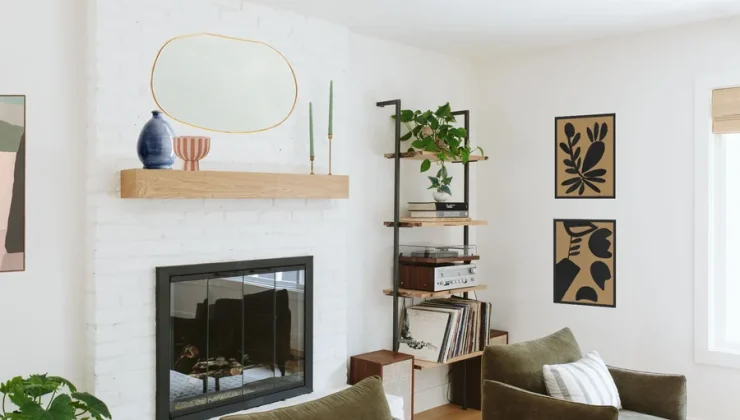
Wall art in small spaces changes how a room feels and functions. Even in compact homes, art on the walls creates depth, adds style, and makes the room look more balanced. It is one of the simplest ways to decorate without taking up valuable floor space.
Art also helps guide the eye. When a room feels small, a focal point reduces clutter and makes the area feel organized. A well-chosen piece of art can visually enlarge the room, making it look brighter and more open.
The right home decor choices give personality to small rooms. Without wall art, interiors can look unfinished and plain. Adding carefully selected pieces creates a complete and cohesive look.
What Size of Wall Art Works Best in Small Rooms
The ideal size for wall art in small rooms is proportional to the wall and the furniture around it. Large artworks can overwhelm the space, while very small pieces often get lost. Medium-sized art or grouped pieces work best.
A good rule is to choose art that covers around two-thirds of the furniture width below it. For example, when placing art above a sofa or bed, this ratio ensures balance. In narrow spaces, vertical art is more effective because it makes ceilings look higher.
Gallery walls are also an option in small rooms. When using multiple small pieces, spacing should be consistent and layouts should be symmetrical or grid-based. This makes the design look intentional rather than chaotic.
Which Colors Work Best for Small Spaces
The best colors for wall art in small spaces are light and neutral shades. Light tones reflect more brightness, making the room feel airy and spacious. White, beige, light gray, and pastel colors are reliable choices.
That does not mean bold colors cannot be used. A single bright artwork on a light wall creates contrast and adds energy without making the room feel heavy. The key is to keep balance and avoid filling the space with too many dark tones.
Matching artwork colors with elements already in the room also works well. For example, if cushions or rugs use soft blue, a piece of art with similar shades makes the room feel cohesive.
How to Place Wall Art in Small Interiors
GaagArt Wall art placement is as important as size and color. The most effective height is at eye level, usually around 145–150 cm from the floor to the center of the artwork. This allows the piece to be comfortably viewed in the room.
When placing art above furniture, it should not extend beyond the furniture width. Above a bed or sofa, it looks best when the artwork is around 60–80% of the object below it. This keeps proportions balanced and avoids a crowded look.
Corners, entryways, and transitional walls also work well for smaller pieces. Distributing art across different areas of a room prevents walls from feeling empty and adds rhythm to the interior design.
What Types of Wall Art Are Best for Small Spaces
The most suitable types of wall art for small rooms are prints, photography, line drawings, and lightweight framed works. These styles keep the walls visually light and do not make the space feel smaller.
Minimalist artwork such as line drawings or abstract prints works well in compact spaces. Photography, especially black-and-white images, gives a clean and timeless look. These choices keep the room simple but elegant.
Practical options like digital prints or affordable reproductions also fit well. They are easy to replace or rotate, which gives flexibility to change the style of the room over time.
How Wall Art Creates Light and Depth
Wall art can make a small room feel bigger by enhancing light and depth. Artworks with bright backgrounds reflect natural light and open up the space. This effect is especially useful in rooms with limited windows.
Perspective-based images, such as landscapes or cityscapes, create the illusion of distance. They draw the eye further into the image, which makes the wall appear deeper. Vertical art also creates height by directing attention upward.
Reflective surfaces, including framed mirrors used as decorative elements, add more brightness to interiors. Metallic details or glossy finishes in artwork contribute to this effect.
How to Combine Wall Art with Furniture
Wall art should always align with furniture to create harmony in room design. A piece that is too wide or too narrow compared to the furniture below it disrupts balance. Proportion is the key factor to consider.
Above beds and sofas, horizontal art works best because it matches the shape of the furniture. In dining areas, centered artwork helps define the zone and creates a more complete look. Workspaces benefit from smaller art placed slightly off-center so the design remains simple and functional.
Furniture color also guides the choice of wall art. Neutral furniture pairs well with colorful art, while patterned furniture needs simpler, calmer pieces. This prevents competition between decor elements.
How to Keep Wall Art Flexible in Small Spaces
Flexibility with wall art in small spaces comes from choosing pieces that are easy to move or replace. Lightweight frames and adhesive hooks allow homeowners to rearrange art without damaging the walls. This is especially useful in rental homes.
Rotating artworks keeps the room dynamic and prevents visual fatigue. For example, prints can be stored and displayed at different times of the year. This approach refreshes the room without requiring new purchases.
Digital art frames are another practical option. They allow multiple artworks to be shown in the same space, changing the atmosphere of the room whenever desired.
Quick Tips for Choosing Wall Art in Small Spaces
- Select medium-sized pieces that match the furniture proportion.
- Use light colors to make the room brighter and more open.