Types of Running Shoes: A Guide for Runners
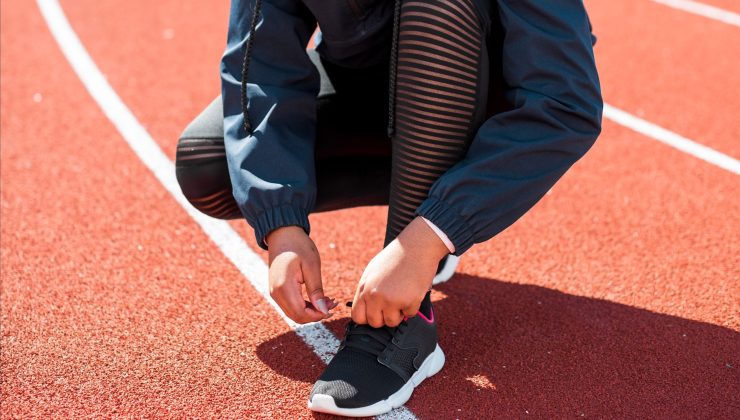
Walk into the running section, and it can feel like every shoe is shouting a different promise. Cushioned, lightweight, stability, trail. The words pile up, and it is easy to grab the first pair that fits and hope for the best. But running shoes come in distinct types, each built for a different runner and a different surface. Pick the right type and running feels easier and safer.
This complete guide breaks down the main types of running shoes, so you know exactly what you are buying and why.
Why Do Different Types of Running Shoes Exist?
Running is not one single activity. A morning jog on a smooth road, a weekend trail in the hills, and a fast track session all put different demands on your feet. Shoe makers build different types to match those demands. Knowing the type you need is the first step to a pair that actually helps.
- Different surfaces: Road, track, and trail each need a different sole and grip.
- Different runners: A beginner, a heavy runner, and a fast runner all benefit from different support.
- Different goals: Daily comfort, long distance, and speed each call for a different build.
- Fewer injuries: The right type reduces the strain and rubbing that come from a mismatched shoe.
What Are the Main Types of Running Shoes?
Most running shoes fall into a few clear categories. Once you know them, choosing gets far simpler. When you shop for running shoes online, these are the types you will meet most often.
Cushioned Running Shoes
Cushioned shoes are the most popular type, built for comfort and shock absorption on hard surfaces. A soft, supportive midsole soaks up impact and, in energy-return foams, gives a little push back on each stride. They suit most runners, from beginners to regular road runners. The cushioned running range is a good example of this type.
Lightweight and Speed Shoes
Lightweight shoes strip away weight for a faster, more responsive feel. They suit runners chasing pace, doing track sessions, or racing. The trade-off is a little less cushioning, so they are better as a second pair for fast days than an everyday trainer.
Stability and Support Shoes
Stability shoes add structure to guide the foot and steady the stride. They help runners whose feet roll inward, and heavier runners who need extra support. A firm, structured build keeps everything aligned over longer runs.
Trail Running Shoes
Trail shoes are built for off-road running, with deep-lug grip for mud and loose ground, and a tougher upper to handle rocks and roots. If your running takes you onto hill trails or uneven paths, a trail-ready pair like the Everest range keeps you steady where a road shoe would slip.
Which Type of Running Shoe Suits Your Run?
Knowing the types is one thing. Matching one to yourself is what matters. Line up the type with how, where, and how often you run.
- The everyday road runner: A cushioned shoe is the safe, comfortable all-rounder for daily runs on roads and pavements.
- The speed-focused runner: A lightweight shoe rewards track work and faster sessions, ideally as a second pair.
- The heavier or overpronating runner: A stability shoe adds the support and structure that protect the joints over distance.
- The trail runner: A trail shoe with deep grip is the only safe pick for mud, rock, and uneven ground.
- The mixed runner: If you run on varied surfaces, a durable cushioned shoe covers most of it, with a trail pair for the rough days.
The key point is to start with your surface and your body, not the flashiest shoe. Most Indian runners spend their time on roads, so a cushioned shoe is the sensible first buy for the majority. Once your running settles into a pattern, a second, more specialised pair is worth adding, but there is no need to buy for a type of running you are not actually doing yet.
How Do You Get the Type and Fit Right Together?
Choosing the right type only works if the fit is right too. A few checks make sure your chosen pair actually delivers.
- Match the type to your surface: Road, trail, or track first, then narrow within that type.
- Leave toe room: Keep about a thumb's width at the front so your toes do not jam on the run.
- Lock the heel: Your heel should stay put with no slipping, which prevents blisters.
- Fit later in the day: Feet swell as the day goes on, so an evening fitting is more accurate.
- Wear running socks: Try the pair with the socks you will actually run in.
Find the Running Shoe Type Built for You
The best running shoe is not the one with the most features; it is the one whose type matches your run. Start with where and how you run, pick the type that fits: cushioned for daily roads, lightweight for speed, stability for support, trail for the rough stuff, and get the fit right. Do that, and every run feels lighter and safer.
Asian Footwears builds running shoes across these types for Indian roads, trails, and runners, with cushioning tech and durable builds at a value price. Every pair comes with Free Delivery, Hassle-Free Returns, and Asian Flash 60-minute delivery in supported pincodes.
Browse the sports and running collection and buy running shoes matched to the way you run. Shop Now and become an AsianRider today.
FAQs
What are the main types of running shoes?
The main types are cushioned shoes for comfort on roads, lightweight shoes for speed, stability shoes for extra support, and trail shoes for off-road grip. Each suits a different surface and runner. Most road runners do well with a cushioned pair.
Which type of running shoe is best for beginners?
Beginners usually do best in a cushioned running shoe. It offers comfort and shock absorption for road running, which makes starting out easier on the body. Focus on a comfortable fit and good cushioning before worrying about speed or stability features.
What is the difference between road and trail running shoes?
Road shoes have smoother, flexible soles tuned for hard, even surfaces. Trail shoes have deep-lug grip, a tougher upper, and more protection for mud, rocks, and uneven ground. Use trail shoes off-road and road shoes on pavements for the best results.
Do heavier runners need a specific type of running shoe?
Yes. Heavier runners benefit from stability or well-cushioned shoes with a supportive, durable structure. The extra support and cushioning absorb more impact and resist breaking down, which protects the joints better than a soft, lightweight shoe over time.
How do I buy the right running shoes online?
Start by identifying your type based on where you run, then check the size against a chart and read the fit notes. Pick a store with a simple returns option so a wrong size is easy to swap. Knowing your type and size makes buying online quick and low-risk.