The Freelance Revolution: How One Platform Is Rewriting The Rules of Creative Collaboration in Gaming
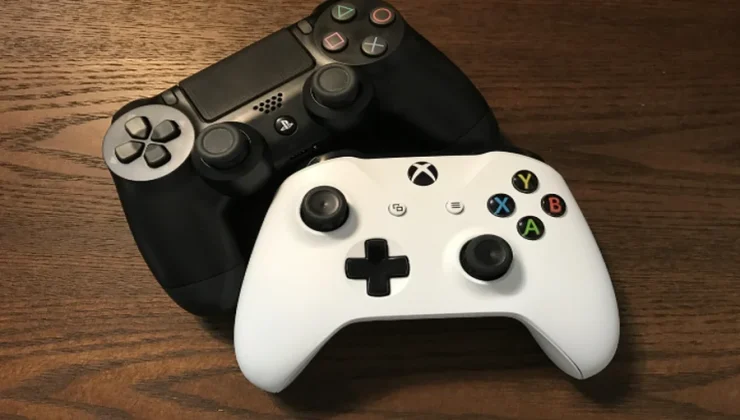
The gaming industry stands at a crossroads. As development costs soar and creative demands intensify, studios worldwide are discovering that the old playbook for building teams simply doesn’t work anymore. Enter a new era of creative collaboration that’s reshaping how games get made, who makes them, and where innovation happens.
Why Traditional Studio Hiring Is Failing Creative Teams
For decades, game studios operated under a simple premise: hire the best talent you can find, house them in expensive offices, and hope creative magic happens. But this model has become increasingly unsustainable. The numbers tell a stark story of an industry in transition.
Traditional hiring challenges include:
- Geographic limitations: Top talent concentrated in expensive tech hubs
- Budget constraints: Full-time salaries, benefits, and office overhead costs
- Project-based needs: Difficulty scaling teams up and down with project demands
- Skill specialization: Need for specific expertise that may only be required temporarily
- Competition for talent: Bidding wars for experienced professionals
Studios today face impossible choices. They can either maintain large, expensive teams that sit idle between projects, or scramble to find qualified freelancers when deadlines loom. Neither option serves creativity well, and both put enormous financial strain on development budgets.
The result is a creative bottleneck that’s stifling innovation. Smaller studios can’t compete for talent with industry giants, while even major publishers struggle to find the right specialists for unique project requirements. The traditional model isn’t just expensive—it’s actively limiting the industry’s creative potential.
The Rise of the Global Creative Workforce
Something remarkable has happened in recent years: the democratization of creative tools and the maturation of remote collaboration technologies have unleashed a global army of talented artists, animators, and designers. These professionals aren’t just looking for work—they’re seeking meaningful creative partnerships with studios that value their expertise.
This shift represents more than just a change in employment patterns. It’s a fundamental reimagining of how creative work gets done. Artists no longer need to relocate to expensive cities or accept whatever local opportunities exist. Studios no longer need to limit themselves to talent within commuting distance of their offices.
The global creative workforce offers advantages that traditional hiring models simply cannot match:
For Artists:
- Freedom to work on diverse projects across multiple studios
- Ability to specialize in specific skills without being pigeonholed
- Control over work-life balance and project selection
- Access to opportunities regardless of geographic location
For Studios:
- Access to specialized talent for specific project needs
- Ability to scale teams dynamically based on project phases
- Cost flexibility that allows better resource allocation
- Exposure to diverse creative perspectives and approaches
Breaking Down Barriers: When Geography No Longer Limits Talent
The most transformative aspect of this creative revolution isn’t technological—it’s human. When studios can access talent from anywhere in the world, the entire creative equation changes. A concept artist in Eastern Europe can collaborate seamlessly with a 3D modeler in Southeast Asia and an animator in South America, all working on a project managed from North America.
This geographic freedom has profound implications for both individual careers and industry diversity. Artists who might never have had opportunities to work on major gaming projects now find themselves contributing to blockbuster titles. Studios discover fresh perspectives and creative approaches that might never have emerged from traditional hiring practices.
Platforms like Fusion by Devoted are facilitating these connections, but the real story is about the human relationships being formed. Creative collaboration is becoming more about matching skills and vision than about physical proximity. When the right artist connects with the right project, geographic boundaries become irrelevant.
From Gatekeepers to Matchmakers: A New Approach to Creative Partnerships
The traditional studio hiring process resembled an exclusive club more than an efficient marketplace. Resume reviews, portfolio assessments, multiple interview rounds, and reference checks created barriers that often filtered out exceptional talent based on factors unrelated to creative ability.
Modern creative platforms are replacing this gatekeeping mentality with sophisticated matchmaking. Instead of endless portfolio scrolling and subjective evaluations, studios can now:
- Search for artists based on specific skill sets and project experience
- Review curated portfolios that match their exact creative needs
- Connect directly with available talent without intermediaries
- Evaluate work samples that demonstrate relevant capabilities
This shift from gatekeeping to matchmaking benefits everyone involved. Artists spend less time on generic applications and more time showcasing work that aligns with genuine opportunities. Studios waste less time reviewing irrelevant portfolios and can focus on finding the perfect creative fit for their specific needs.
The result is more than just efficiency—it’s better creative outcomes. When the matching process focuses on skill alignment and creative compatibility rather than traditional hiring metrics, both parties are more likely to find partnerships that produce exceptional work.
The Human Cost of Industry Transformation
While the freelance revolution offers tremendous opportunities, it also presents real challenges that affect people’s lives and careers. For many creative professionals, the transition from traditional employment to freelance work represents a fundamental shift in how they think about career stability, professional development, and creative identity.
Key considerations include:
Career Development:
- Building reputation and portfolio without traditional corporate structure
- Developing business and networking skills alongside creative abilities
- Managing irregular income and project-based work cycles
- Maintaining professional relationships across multiple studios and projects
Creative Identity:
- Balancing personal artistic vision with client requirements
- Navigating different studio cultures and creative processes
- Building long-term creative relationships in a project-based environment
- Maintaining creative growth while meeting commercial demands
The most successful transitions happen when both artists and studios approach freelance collaboration as genuine partnerships rather than transactional relationships. This means studios investing in freelancer success through clear communication, fair compensation, and meaningful creative input, while artists commit to understanding studio needs and delivering consistently exceptional work.
Building Trust in a Digital-First Creative Economy
Trust has always been the foundation of creative collaboration, but digital-first relationships require new approaches to building and maintaining professional confidence. When creative partners may never meet in person, trust must be established through work quality, communication consistency, and reliable delivery.
Successful digital creative partnerships require:
- Transparent communication: Clear project expectations, regular updates, and honest feedback
- Reliable systems: Secure file sharing, consistent payment processes, and professional project management
- Quality assurance: Portfolio verification, skill validation, and performance tracking
- Professional protection: Contract management, intellectual property safeguards, and dispute resolution
Platforms facilitating these connections play a crucial role in establishing trust frameworks that protect both studios and artists. When freelancers know they’ll be paid fairly and on time, and studios know they’re working with verified professionals, creative energy can focus where it belongs: on making exceptional games.
What This Means for the Future of Game Development
The freelance revolution isn’t just changing how games get made—it’s changing what kinds of games get made and who gets to make them. When creative barriers fall and global talent becomes accessible, the entire industry’s creative potential expands.
We’re likely to see:
Industry Democratization:
- Smaller studios competing effectively with major publishers
- More diverse voices and perspectives in game development
- Regional gaming markets developing unique creative identities
- Independent developers accessing previously unavailable talent pools
Creative Innovation:
- Specialized artists pushing technical and artistic boundaries
- Cross-cultural collaboration producing novel gaming experiences
- Rapid prototyping and experimentation becoming more feasible
- Niche gaming genres finding dedicated creative communities
Economic Transformation:
- Development costs becoming more predictable and manageable
- Creative talent finding sustainable career paths outside traditional employment
- Global economic opportunities expanding for creative professionals
- Studios allocating resources more efficiently across project lifecycles
The future of game development looks increasingly collaborative, global, and creatively diverse. As platforms like Fusion by Devoted continue to refine the matchmaking between studios and talent, we can expect to see gaming experiences that reflect the full creative potential of our connected world.
This revolution isn’t just about technology or business models—it’s about unleashing human creativity on a global scale. When talented artists can connect with visionary studios regardless of geography, bureaucracy, or traditional barriers, the entire gaming industry benefits. Players get better games, artists find meaningful work, and studios achieve creative goals that seemed impossible under old models.
The freelance revolution has arrived, and it’s rewriting every rule about creative collaboration in gaming.