From Ground Up: Understanding the New Asphalt Process for Modern Paving Projects
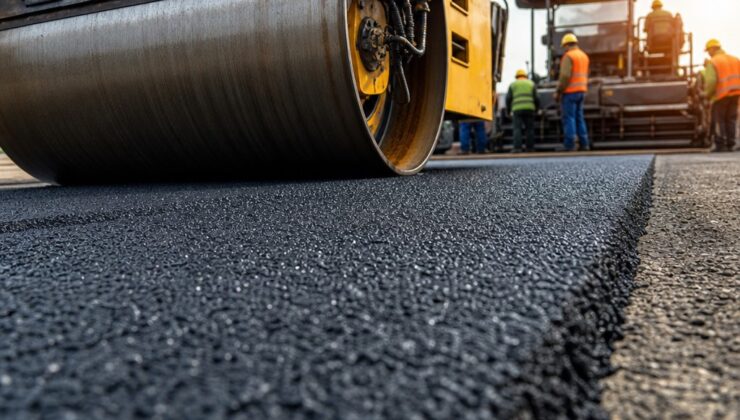
Whether you are developing a commercial property, upgrading a residential driveway, or managing a large-scale infrastructure project, understanding how asphalt construction works from start to finish is essential. The paving industry has evolved significantly over the past two decades, and today’s methods are more precise, durable, and environmentally conscious than ever before. This guide breaks down the key stages of modern asphalt construction, explains what property owners and project managers should expect, and highlights why choosing the right contractor and process makes all the difference in long-term performance.
Why Asphalt Remains the Preferred Paving Material
Asphalt has maintained its dominance in the paving industry for good reason. It is cost-effective, quick to install, and highly adaptable to a wide range of climates and load conditions. Unlike concrete, asphalt can be repaired in sections without requiring full replacement, which dramatically reduces long-term maintenance costs. Its dark surface also helps melt snow and ice faster in colder climates, offering a practical advantage for northern regions.
Beyond practicality, asphalt is one of the most recycled materials in the world. Reclaimed asphalt pavement (RAP) is routinely incorporated into new mixes, reducing the demand for virgin materials and lowering the environmental footprint of each project. For property owners who are conscious of sustainability, this is a compelling reason to choose asphalt over alternative paving solutions.
The Core Stages of New Asphalt Construction
Site Assessment and Subgrade Preparation
Every successful asphalt project begins well before the first truckload of hot mix arrives on site. A thorough site assessment evaluates soil composition, drainage patterns, load-bearing requirements, and existing surface conditions. This phase is critical because the strength of any asphalt pavement depends almost entirely on the quality of the subgrade beneath it. Poor subgrade preparation is the leading cause of premature pavement failure, including cracking, rutting, and surface deformation.
Once the assessment is complete, the subgrade is graded, compacted, and stabilized as needed. In some cases, geotextile fabrics or aggregate base layers are added to improve load distribution and drainage. This foundational work may not be visible once the project is complete, but it is arguably the most important investment in the entire construction process.
Base Layer Installation
After the subgrade is prepared, a compacted aggregate base layer is installed. This layer typically consists of crushed stone or gravel and serves as the structural backbone of the pavement. The thickness of the base layer varies depending on the anticipated traffic load and the results of the soil assessment. Heavy commercial applications, such as parking lots or industrial access roads, require significantly thicker base layers than residential driveways.
Proper compaction of the base layer is non-negotiable. Contractors use vibratory rollers and plate compactors to achieve the required density, and in some cases, nuclear density gauges are used to verify compaction levels before proceeding. Skipping or rushing this step is a common shortcut that leads to costly repairs down the line.
Hot Mix Asphalt Application
With the base properly prepared, the hot mix asphalt (HMA) is applied in one or more lifts, depending on the project specifications. The mix is produced at an asphalt plant at temperatures typically between 275°F and 325°F and must be transported and laid quickly to maintain workability. Paving machines spread the material evenly across the surface, and steel drum rollers compact it to the required density while it is still hot.
The composition of the asphalt mix itself is carefully engineered. Aggregate size, binder grade, and air void content are all calibrated to match the specific demands of the project, whether that means resistance to heavy loads, flexibility in freeze-thaw cycles, or reduced noise generation in residential areas. Understanding the new asphalt process in detail helps property owners ask the right questions and set realistic expectations for project timelines, costs, and performance outcomes.
Extending Pavement Life After Installation
New asphalt construction is only the beginning of a pavement’s lifecycle. Proactive maintenance is what separates a surface that lasts 20 years from one that deteriorates in a decade. Sealcoating, crack filling, and periodic resurfacing are the primary tools in any pavement maintenance program. Applied at the right intervals, these treatments protect the binder from UV oxidation, water infiltration, and chemical damage from fuel and oil spills.
One increasingly popular maintenance technique is micro-surfacing, a thin polymer-modified slurry that restores surface texture and seals minor cracks without requiring full resurfacing. According to industry research on how micro-surfacing can extend pavement life, this method can add years of functional service to an existing pavement at a fraction of the cost of full reconstruction. For budget-conscious property managers, it represents an excellent return on investment.
Integrating Paving Projects with Broader Property Development
Asphalt construction rarely happens in isolation. It is typically one component of a larger property development or renovation project. Homeowners adding a new driveway may also be landscaping their yard, installing fencing, or even adding outdoor amenities. In this context, coordinating the timing and sequencing of different trades becomes essential to avoid damage to freshly laid surfaces and ensure that drainage systems function as intended.
For example, property owners who are also considering adding a pool or other outdoor feature should plan their paving work carefully. Understanding how different construction phases interact — including excavation, grading, and surface finishing — can prevent costly rework. If you are exploring outdoor investments alongside your paving project, it is worth reviewing guidance on whether a swimming pool is a worthwhile investment for your property, as both projects share overlapping site preparation considerations.
Choosing the Right Asphalt Contractor
The quality of any asphalt project is only as good as the contractor executing it. Experience, equipment, and attention to detail vary widely across the industry, and the lowest bid is rarely the best value. When evaluating contractors, look for verifiable references, evidence of proper licensing and insurance, and a willingness to provide detailed written specifications for the work to be performed.
Asphalt Coatings Company has built a strong reputation for delivering high-quality paving and coating solutions across a range of project types. Their team brings technical expertise to every phase of the construction process, from initial site evaluation through final compaction and quality inspection. Clients consistently cite their transparency, professionalism, and commitment to long-term pavement performance as distinguishing qualities that set them apart from competitors.
Conclusion: Invest in the Process, Not Just the Product
New asphalt construction is a multi-stage process that demands careful planning, quality materials, and skilled execution at every step. From subgrade preparation to final compaction, each phase contributes to the overall durability and performance of the finished surface. Property owners who take the time to understand what goes into a properly built asphalt pavement are better equipped to make informed decisions, choose the right contractor, and maintain their investment over the long term. In an industry where shortcuts are common, knowledge is your most valuable asset.