Swimming Pool on the Plot: Is It Worth Investing in
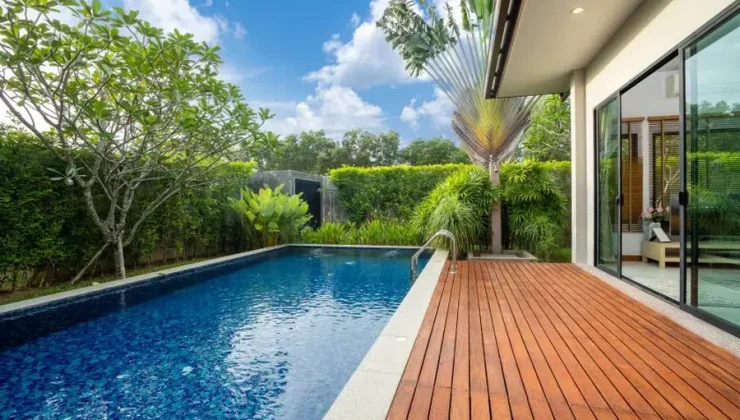
A pool in your backyard may be the desire of many homeowners, as summer fun, relaxation, and a private oasis are provided right near your door. Before plunging in, it is important to know what it means to own a pool. Pools can change your way of life dramatically, although they also bring new expenses and a great many things to keep an eye on over the long term. From the price of installing a pool to the pains involved in maintaining it, and from ways it can affect your home’s eventual market value, every little detail matters.
Many people dream of sunny afternoons and pool parties, but do not think about the consequences for their wallets and time. Here, we explore whether a backyard pool is worth the investment in terms of costs, potential future savings that might accrue as a result of simply having it, and indeed the effects on property valuations. In November, homeowners considering financing options, LBC Mortgage provides solutions for pool installations, helping clients meet the expenses and plan thoughtfully for this home improvement. By the time this piece concludes, you should know whether a pool is right for your home and family.
Understanding the Real Costs of a Backyard Pool: What You’re Really Paying For
The initial cost of a pool installation is probably the first thing that comes to most people’s minds. Backyard pool prices in the U.S. range from $25,000 for some simple above-ground installs all the way up to more than $100,000 (including steps and landscaping) for a custom-designed in-ground unit with high-end features.
That’s only one aspect of the money involved. Excavation, permits, landscaping modifications, fences, and deckings all push up your bill. For in-ground pools, the choice of material–concrete, fiberglass, or vinyl lining–can make a big difference to the overall cost. Concrete pools, for example, are long-lasting but pretty expensive.
Fiberglass ones can be put in much faster, and their shape is predefined by the mold. Vinyl pools, finally, are fairly cheap, but the lining has to be replaced every seven to ten years at our expense. Now might be a good time to go over this with the customer. When ongoing expenses are taken into account, the whole pool-capitalism ideology goes a bit awry. Chemicals, filters, pumps, and heaters are necessary to maintain clean water–and keep you and your family safe. The electric and water bills for houses with pools will zoom, depending on the size of your pool and how often it gets used.
Every year, you have the chore of seasonal maintenance, which may or may not require a professional repairer to come in for cleaning, repairs, etc.. Depending upon your pool company’s awareness level of the device, there might be hidden costs that are simply not visible to them at the moment. Your insurance must take this into account: adding a pool will increase your homeowner’s insurance rates because of the added liability risks.
Lifestyle Benefits: How a Pool Can Transform Your Backyard Life
When putting in any pool, the first thing most people think of is the upfront cost. A residential pool in America might run from $25,000, just to put simply, above ground up $100,000-plus with high-quality custom in-ground parts. But this is only the beginning. Excavation, permits, landscaping, fencing, and deck all add up.
After installation, these are ongoing costs that are often overlooked. Chemicals, filters, pumps, and a heater are necessary for keeping your water clean and safe. Naturally, your electricity and water usage also go up noticeably with pool size or how often you use it. Seasonable maintenance can come to be a significant cost, whether professional cleaning, repair, or both, and may run into hundreds or thousands annually. Under insurance, having a pool on your property brings security problems and homeowner’s premiums (translated).
Understanding these costs upfront helps homeowners make informed decisions. A pool is not only a luxury – it’s also an ongoing financial commitment. Seeing every visible and hidden cost means that you won’t be caught off guard later on at home with no funds left hotel bill unpaid. When deciding if a backyard pool is worth it, knowing exactly what you are paying for has to be the very first step into unknown territory.
Maintenance Matters: Time, Effort, and Expenses You Need to Know
It’s not just a fun-and-games with pool care; it involves work to attribute any good times or cleanliness of the surrounding area. Eventually, it may even cause damage to your pool’s surface that could cost you a hefty sum of money. In-ground swimming pools need to run their filters every day and need periodic cleaning or replacement. This is an extra electricity and maintenance cost. Regularly, these tasks must be performed:
- Chemical treatment: As a standard rule of thumb, chlorine, pH, and alkalinity should be checked and adjusted regularly.
- Seasonal practices: Pools should be winterized in cold climates, and heaters, pumps, and covers should be taken down for the winter months.
- Keep clean: in addition to ridding the water of dust, leaves, and insects, occasionally employ professional cleaning services.
- Maintenance: watch linings; watch concrete surfaces, metal parts, and plumbing for possible wear.
- Safety: child-proof fences, alarms of all kinds, and covers that meet the SABS standard regulations are essential protection against unwanted guests, both of the four-footed and two-legged kind.